
New ‘Excursion Car’ Built in Aberystwyth for Brecon Mountain Railway
4.6.26
New ‘Excursion Car’ Built in Aberystwyth for Brecon Mountain Railway
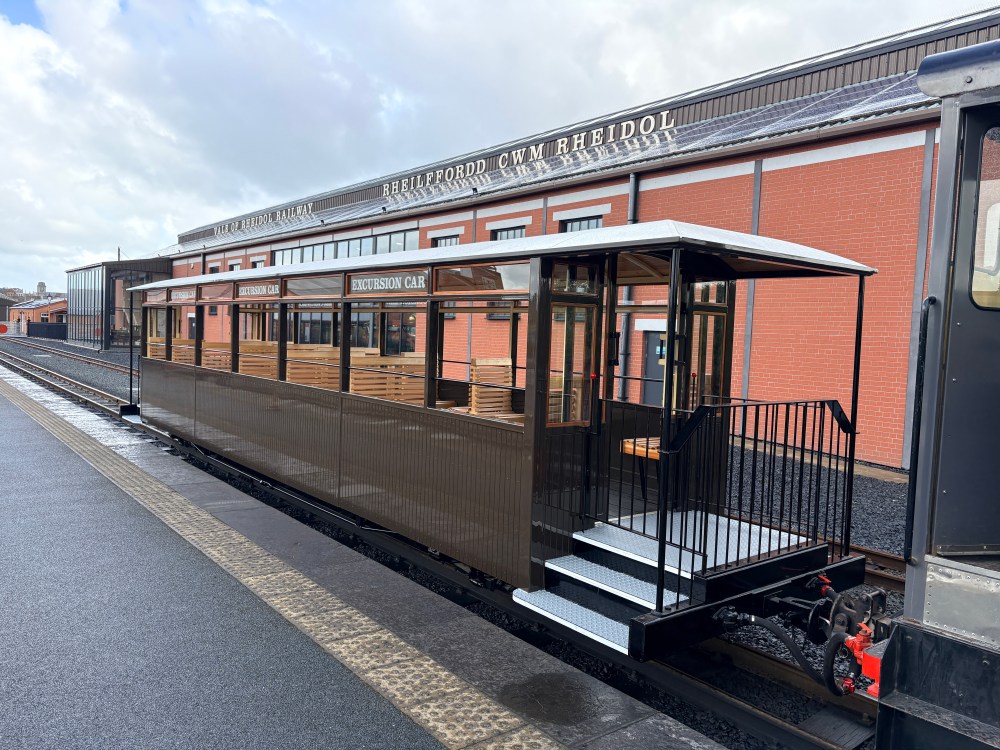
Britain’s newest railway carriage, custom-designed and built for use to meet burgeoning demand on a tourist line in Wales, has just entered service.
The narrow gauge Brecon Mountain Railway has welcomed the arrival of a brand-new carriage built entirely by the skilled engineering team at the Vale of Rheidol Railway’s workshops in Aberystwyth.
The new “Excursion Car” has taken around 12 months to design and construct, and represents another example of the close working relationship developing between the two Welsh narrow gauge railways.
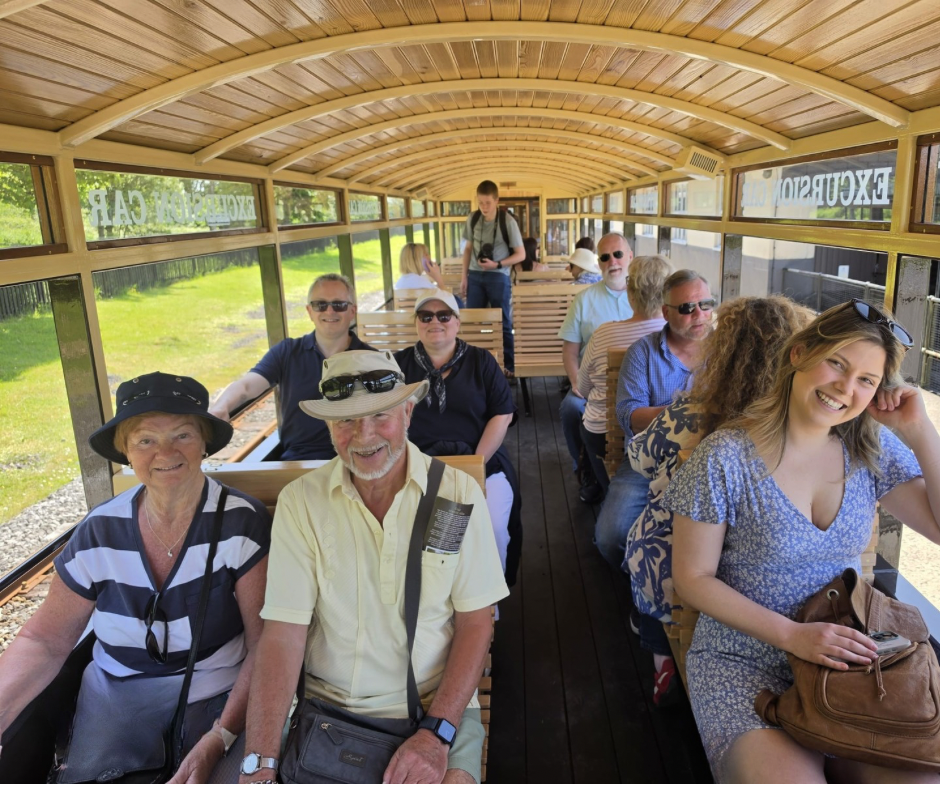
Designed to complement the existing Brecon Mountain Railway carriage fleet, the new vehicle follows the traditional American-inspired styling already familiar to visitors at the railway. The term “Excursion Car” is widely used in the United States to describe open-sided passenger carriages designed to give passengers a closer connection with the surrounding scenery. Matching the proportions and styling of the railway’s other stock, it features open end balconies from which to experience truly outstanding views of the line.
The carriage seats 34 passengers and has also been specially designed to accommodate up to two wheelchair users, helping to further improve accessibility at the railway. Wheelchair passengers will be welcomed onboard once final operational checks and approvals have been completed.
The project was undertaken in response to increasing passenger demand at the Brecon Mountain Railway, which operated at an average of 97% capacity during August last year.
The total build cost of the carriage was approximately £80,000, with £20,000 of funding support provided through the UK Government Shared Prosperity Fund via Merthyr Tydfil County Borough Council.
It is estimated that the additional capacity created by the new carriage will allow around 4,000 extra passengers to travel each year, generating an estimated £400,000 of additional economic impact for the Merthyr Tydfil area through visitor spending.
Stuart Williams, General Manager of the Brecon Mountain Railway, said:
“This is a fantastic example of the skills that still exist within the heritage railway sector here in Wales. To be able to design and build a completely new carriage in-house is something very special, and we are extremely proud to see it enter service at the Brecon Mountain Railway.
“Passenger demand at the railway continues to grow strongly, particularly during the peak summer season, so this additional capacity is very important for us. At the same time, the carriage has been designed with improved accessibility in mind, helping ensure more people can enjoy the experience in future.”
Llŷr ap Iolo, CEO of the Vale of Rheidol Railway, added:
“Our workshops at Aberystwyth have developed an excellent reputation for high-quality engineering and carriage construction work, and this project demonstrates the capability and craftsmanship of our team.
“Although the carriage has been built using modern construction techniques where appropriate, it has been carefully designed to fit seamlessly with the existing Brecon Mountain Railway fleet and heritage character. We are delighted to see another Welsh-built carriage now carrying passengers in the Welsh mountains.”
About the Brecon Mountain Railway
Celebrating over 45 years of operation, the Brecon Mountain Railway is one of South Wales’ most popular heritage attractions. Operating steam and diesel trains through the heart of the Brecon Beacons National Park, the railway carries more than 60,000 passengers each year on a 10mile round trip through some of the finest scenery in South Wales. Based at Pant, near Merthyr Tydfil, the railway combines heritage, engineering and tourism, preserving an important part of the region’s railway history while contributing significantly to the local economy and visitor offer.