
Vale of Rheidol returns No.9 to oil firing
The Vale of Rheidol Railway has announced the return of oil firing to its fleet, with 2-6-2T locomotive No.9 Prince of Wales now back in traffic following conversion at Aberystwyth.
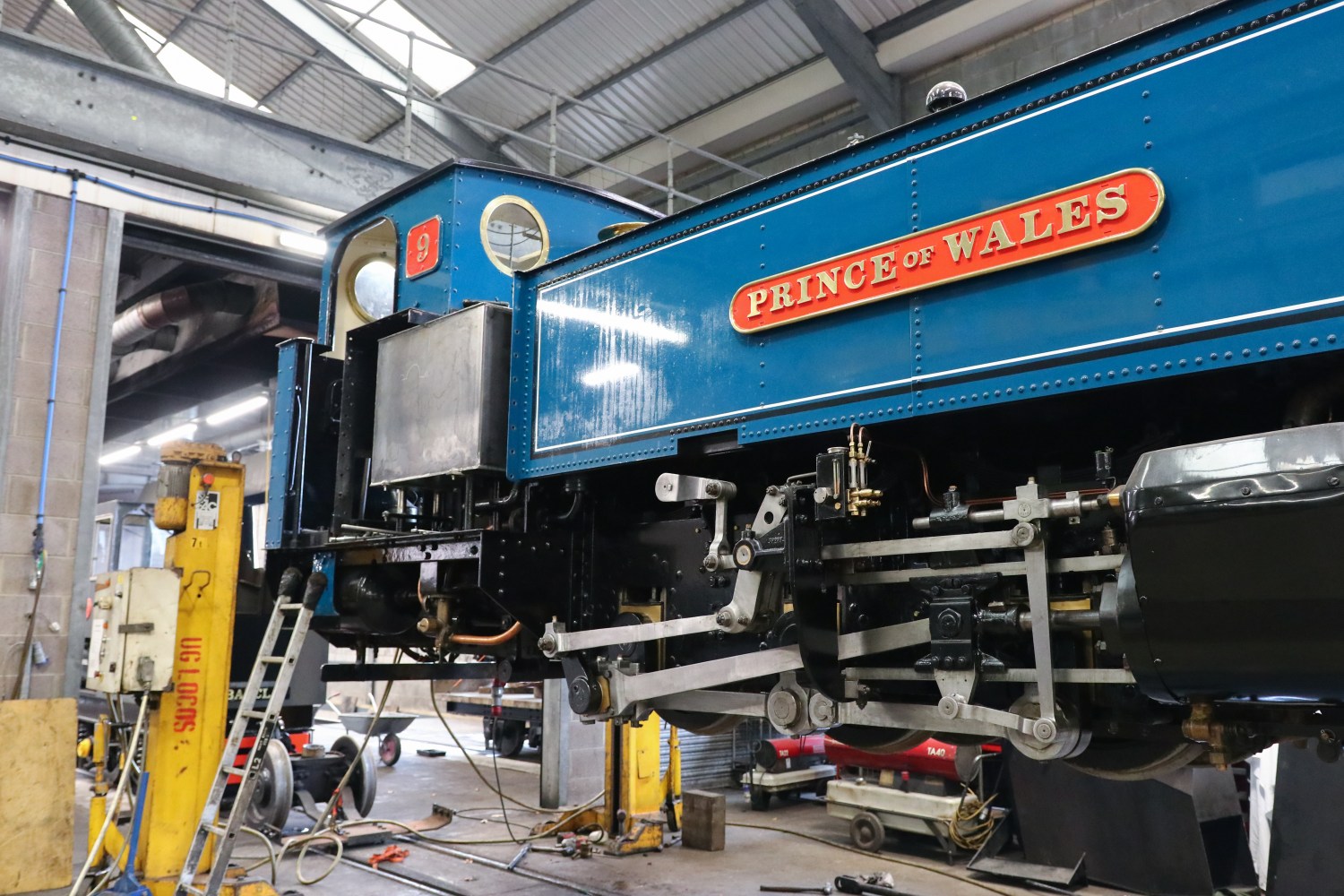
The locomotive successfully returned to service on 30 April – timed perfectly as the railway had been forced to use diesel traction the previous day due to dry, windy conditions across Mid Wales, which also saw significant local wildfires.
The decision follows a challenging 2025 season, during which prolonged dry weather led to the cancellation of over 30 trains and a full weekend closure due to elevated lineside fire risk. The move is intended to provide operational resilience, allowing steam services to continue during periods when coal firing presents an unacceptable risk.
Oil firing is not new to the line. The first oil-fired locomotives operated on the Vale of Rheidol in 1978, introduced in response to the similarly dry summer of 1976. The railway later reverted to coal in 2011 under the direction of the late Peter Rampton, prioritising authenticity and visitor experience.
However, changing conditions have prompted a reassessment. The closure of the Ffos-y-fran mine and the increasing reliance on imported coal has resulted in both higher costs and reduced fuel quality, with up to 30% more coal now required per round trip to Devil’s Bridge. This has also increased fire risk, even with modern spark arresting and ashpan mitigation systems in place.
Vale of Rheidol CEO and Chief Engineer Llyr ap Iolo explained:
“Following the difficulties we experienced in 2025, it became clear that we needed greater flexibility in how we operate. Oil firing allows us to significantly reduce the risk of lineside fires while maintaining a steam-hauled service.”
The conversion of No.9 has been engineered to retain full reversibility. Oil firing equipment has been installed without altering the original coal-fired configuration, allowing the locomotive to be converted between oil and coal within approximately one week.
“This gives us genuine operational choice,” Llyr added. “We can respond to weather conditions and fuel markets, rather than being constrained by them.”
Fuel costs remain a key consideration. Current estimates place coal at around £125 per train, compared with oil at approximately £240–£300 per train depending on market conditions.
Alongside the oil conversion, the railway is also progressing the overhaul of its Bagnall 0-6-0 diesel locomotive (No.3124), which will provide an additional non-spark emitting traction option once completed.
As featured on ITV Cymru Wales: https://bit.ly/4tChEe7